Wednesday, 18 March 2020

How to boost your immune system and avoid Coronavirus (COVID 19)


As per WHO, Coronaviruses (CoV) are a large family of viruses that cause illness ranging from the common cold to more severe diseases such as Middle East Respiratory Syndrome (MERS-CoV) and Severe Acute Respiratory Syndrome (SARS-CoV).


Coronavirus disease (COVID-19) is a new strain that was discovered in 2019 and has not been previously identified in humans. Coronaviruses are zoonotic, meaning they are transmitted between animals and people.  Detailed investigations found that SARS-CoV was transmitted from civet cats to humans and MERS-CoV from dromedary camels to humans. Several known coronaviruses are circulating in animals that have not yet infected humans. 

Common signs of infection include respiratory symptoms, fever, cough, shortness of breath and breathing difficulties. In more severe cases, infection can cause pneumonia, severe acute respiratory syndrome, kidney failure and even death. 

Standard recommendations to prevent infection spread include regular hand washing, covering mouth and nose when coughing and sneezing, thoroughly cooking meat and eggs. Avoid close contact with anyone showing symptoms of respiratory illness such as coughing and sneezing.

Everybody has got colds during long and wet winter season and now we are braced for a coronavirus epidemic. Boosting our immune system has rarely felt more urgent, but, beyond eating more tangerines and hoping for the best, what else can we do?

Science behind our Immune System
Very recently I have studied one important article in The Guardian Magazine and wish to share my experience which must help common people who doesn’t know How to protect? What to do against Coronavirus?   
Sheena Cruickshank, a professor of immunology at the University of Manchester, has a “shocking cold” when we speak at a safe distance, over the phone. To know how to take care of your immune system, she says, first you need to understand the weapons in your armoury – a cheeringly impressive collection, it turns out.
“When you come into contact with a germ you’ve never met before,” she says, “you’ve got various barriers to try to stop it getting into your body.” As well as skin, we have mucus – “snot is a really important barrier” – and a microbiome, the collective noun for the estimated 100tn microbes that live throughout our bodies, internally and externally. Some of these helpful bugs make antimicrobial chemicals and compete with pathogens for food and space.
Beneath these writhing swamps of mucus and microbes, our bodies are lined with epithelial cells which are really hard to get through. They make antimicrobial products including, most relevant to coronavirus, antiviral compounds that are quite hostile.
If a pathogen breaches these defences, it has to deal with our white blood cells, or immune cells. One type, called macrophages, inhabits all our body tissue and has all these weapons ready to go, but they’re not terribly precise. They report to the cleverer, adaptive white blood cells known as lymphocytes. They are the ones that remember germs, so if you meet that germ again, they will just deal with it probably without you even knowing. That’s when you’ve got immunity and is the basis of vaccination. It’s trying to bypass all the early stuff and create the memory, so you don’t have to be sick.
Our immune systems may have blind spots. This might mean that our immune response doesn’t recognise certain bugs or the bugs have sneaky evasion strategies. Personally, your immune system may not be necessarily very good at seeing colds. But a healthy lifestyle will ensure your defences are as good as they get.
Seeing as our bodies contain more cells belonging to microbes, such as bacteria and yeasts, than human ones, let’s start with the microbiome. “We live in a symbiotic relationship with our gut bacteria,” says Prof Arne Akbar, the president of the British Society for Immunology and a professor at University College, London. “Having the right ones around, that we evolved with is best for our health. Anything we do that alters that can be detrimental.”
Not only do our microbes form protective barriers, they also programme our immune systems. Animals bred with no microbiome have less well developed immune responses. Older people, and those with diseases that are characterised by inflammation, such as allergies, asthma, rheumatoid arthritis and diabetes, tend to have less varied gut microbiomes.
Natural Immune system boosters
Feeding your body certain foods may help keep your immune system strong. If you're looking for ways to prevent winter colds and the flu, your first step should be a visit to your local grocery store. Plan your meals to include these 15 powerful immune system boosters.
1. Citrus fruits
Most people turn to vitamin C after they've caught a cold. That’s because it helps build up your immune system. Vitamin C is thought to increase the production of white blood cells. These are key to fighting infections.


Popular citrus fruits include:
  • grapefruit
  • oranges
  • tangerines
  • lemons
  • limes
  • clementines
Because your body doesn't produce or store it, you need daily vitamin C for continued health. Almost all citrus fruits are high in vitamin C. With such a variety to choose from, it's easy to add a squeeze of this vitamin to any meal.

2. Red bell peppers
If you think citrus fruits have the most vitamin C of any fruit or vegetable, think again. Ounce for ounce, red bell peppers contain twice as much vitamin C as citrus. They’re also a rich source of beta carotene. Besides boosting your immune system, vitamin C may help maintain healthy skin. Beta carotene helps keep your eyes and skin healthy.

3. Broccoli
Broccoli is supercharged with vitamins and minerals. Packed with vitamins A, C, and E, as well as many other antioxidants and fiber, broccoli is one of the healthiest vegetables you can put on your table. The key to keeping its power intact is to cook it as little as possible — or better yet, not at all.
4. Garlic

Garlic is found in almost every cuisine in the world. It adds a little zing to food and it's a must-have for your health. Early civilizations recognized its value in fighting infections. According to the National Center for Complementary and Integrative HealthTrusted Source, garlic may also help lower blood pressure and slow down hardening of the arteries. Garlic’s immune-boosting properties seem to come from a heavy concentration of sulfur-containing compounds, such as allicin.

5. Ginger
Ginger is another ingredient many turn to after getting sick. Ginger may help decrease inflammation, which can help reduce a sore throat and other inflammatory illnesses. Ginger may also help decrease nausea.
While it's used in many sweet desserts, ginger packs some heat in the form of gingerol, a relative of capsaicin. Ginger may help decrease chronic pain and may possess cholesterol-lowering properties, according to recent animal researchTrusted Source.

6. Spinach
Spinach made our list not just because it's rich in vitamin C. It's also packed with numerous antioxidants and beta carotene, which may increase the infection-fighting ability of our immune systems. Similar to broccoli, spinach is healthiest when it’s cooked as little as possible so that it retains its nutrients. However, light cooking enhances its vitamin A and allows other nutrients to be released from oxalic acid.

7. Yogurt
Look for yogurts that have "live and active cultures" printed on the label, like Greek yogurt. These cultures may stimulate your immune system to help fight diseases. Try to get plain yogurts rather than the kinds that are preflavored and loaded with sugar. You can sweeten plain yogurt yourself with healthy fruits and a drizzle of honey instead.
Yogurt can also be a great source of vitamin D, so try to select brands fortified with vitamin D. Vitamin D helps regulate the immune system and is thought to boost our body’s natural defenses against diseases.

8. Almonds

When it comes to preventing and fighting off colds, vitamin E tends to take a backseat to vitamin C. However, vitamin E is key to a healthy immune system. It’s a fat-soluble vitamin, meaning it requires the presence of fat to be absorbed properly. Nuts, such as almonds, are packed with the vitamin and also have healthy fats. A half-cup serving, which is about 46 whole, shelled almonds, provides nearly 100 percent of the recommended daily amount of vitamin E.

9. Turmeric
You may know turmeric as a key ingredient in many curries. But this bright yellow, bitter spice has also been used for years as an anti-inflammatory in treating both osteoarthritis and rheumatoid arthritis. Also, researchTrusted Source shows that high concentrations of curcumin, which gives turmeric its distinctive color, can help decrease exercise-induced muscle damage.

10. Green tea

Both green and black teas are packed with flavonoids, a type of antioxidant. Where green tea really excels is in its levels of epigallocatechin gallate, or EGCG, another powerful antioxidant. EGCG has been shown to enhance immune function. The fermentation process black tea goes through destroys a lot of the EGCG. Green tea, on the other hand, is steamed and not fermented, so the EGCG is preserved.
Green tea is also a good source of the amino acid L-theanine. L-theanine may aid in the production of germ-fighting compounds in your T-cells.

11. Papaya

Papaya is another fruit loaded with vitamin C. You can find 224 percent of the daily recommended amount of vitamin C in a single papaya. Papayas also have a digestive enzyme called papain that has anti-inflammatory effects.
Papayas have decent amounts of potassium, B vitamins, and folate, all of which are beneficial to your overall health.

12. Kiwi

Like papayas, kiwis are naturally full of a ton of essential nutrients, including folate, potassium, vitamin K, and vitamin C. Vitamin C boosts white blood cells to fight infection, while kiwi’s other nutrients keep the rest of your body functioning properly.

13. Poultry
When you’re sick, chicken soup is more than just a feel-good food with a placebo effect. It helps improve symptoms of a cold and also helps protect you from getting sick in the first place. Poultry, such as chicken and turkey, is high in vitamin B-6. About 3 ounces of light turkey or chicken meat contains 40 to 50 percent of your daily recommended amount of B-6.

Vitamin B-6 is an important player in many of the chemical reactions that happen in the body. It’s also vital to the formation of new and healthy red blood cells. Stock or broth made by boiling chicken bones contains gelatin, chondroitin, and other nutrients helpful for gut healing and immunity.

14. Sunflower seeds

Sunflower seeds are full of nutrients, including phosphorous, magnesium, and vitamin B-6. They’re also incredibly high in vitamin E, a powerful antioxidant.
Vitamin E is important in regulating and maintaining immune system function. Other foods with high amounts of vitamin E include avocados and dark leafy greens.

15. Shellfish

Shellfish isn’t what jumps to mind for many who are trying to boost their immune system, but some types of shellfish are packed with zinc.
Zinc doesn’t get as much attention as many other vitamins and minerals, but our bodies need it so that our immune cells can function as intended.
Varieties of shellfish that are high in zinc include:
  • crab
  • clams
  • lobster
  • mussels
Keep in mind that you don’t want to have more than the daily recommended amount of zinc in your diet. For adult men, it’s 11 milligrams (mg), and for women, it’s 8 mg. Too much zinc can actually inhibit immune system function.


Saturday, 15 February 2020

Pomegranate slows Prostate Cancer


Pomegranates are best known for their ability to improve arterial health. Recent studies have demonstrated that pomegranate has cancer protective properties as well. Some of the most promising findings on pomegranate extracts show their ability to impede progression of prostate cancer. Additional studies indicate that pomegranate may protect against breast and colon cancer as well.


 Dietary factors are increasingly recognized as playing a role in cancer development. More than 70% of certain malignancies—like colorectal cancer—are related to diet and lifestyle factors.
Studies show that high fruit and vegetable consumption is associated with lower cancer incidence. That’s especially true when diets include large amounts of polyphenols from specific plant foods.

The challenge is that, while adding polyphenols rich foods to our diets is beneficial, it doesn’t always provide enough polyphenols to exert a meaningful effect on prevention. That’s where pomegranate extracts may play a crucial role.

Pomegranate Slows Prostate Cancer Progression


The most promising studies on pomegranate’s anti-cancer actions are on its ability to slow the progression of prostate cancer.

In prostate-cancer patients, serum PSA levels are the most commonly used marker to assess disease status. One standard for evaluating cancer progression is to measure the time it takes for PSA levels to double from a baseline value. The longer it takes for PSA to double, the slower the cancer is progressing.
Studies show that supplementation with pomegranate juice or extracts can significantly increase the time it takes for PSA to double in men with prostate cancer. In one study, men received 8 ounces of pomegranate juice daily following surgery or radiotherapy for prostate cancer. Prior to treatment, the subjects PSA doubled in an average of 15 months, indicating quite rapid disease progression. But after treatment with pomegranate juice, PSA took an average of 54 months to double its value, which is a clinically and statistically significant difference.

Another study evaluated men with recurrent prostate cancer (which is cancer that comes back after treatment such as surgery). In this study, taking pomegranate extract daily for up to 18 months increased the time it took for PSA to double from 11.9 months at baseline to 18.5 months

These studies show pomegranate’s ability to help prevent the precancerous changes that can lead to the development of tumors. 


Monday, 9 September 2019

Health Benefits of Tulsi (Holi Basil)


The health benefits of TULSI include the following:
Fever: The miraculous healing properties of Holy Basil come mainly from its essential oils and the phytonutrients contained in it. Holy Basil is an excellent antibiotic, germicidal, fungicidal and disinfectant agent and very efficiently protects our body from all sorts of bacterial, viral and fungal infections. Fever is mainly caused due to infections from protozoa (malaria), bacteria (typhoid), viruses (flu) and even allergic substances and fungus. Fever is not actually an ailment in itself. It is just a symptom which shows that our body is fighting against less visible infections. The tremendous disinfectant, germicidal and fungicidal properties of tulsi destroys all those pathogens discussed above and heals the resulting fever. It is an old practice in India to have a decoction of tulsi leaves and flowers in case you are suffering from a fever.

Respiratory Disorders: Tulsi, along with curing viral, bacterial and fungal infections of the respiratory system, gives miraculous relief in congestion due to the presence of components like Camphene, Eugenol and Cineole in its essential oils. It is very effective in curing almost all varieties of respiratory disorders including bronchitis, both chronic and acute.

Asthma: Tulsi is very beneficial in the treatment of asthma, since it relieves congestion and facilitates smoother breathing. The phytonutrients and essential oils, along with the other minerals in it, help cure some of the underlying causes of asthma as well.

Lung Disorders: The compounds like vitamin-C, Camphene, Eugenol and Cineole that are present in the essential oils of tulsi do not only cure the infections in the lungs, but also cure congestion of the lungs. Furthermore, they are found to be effective in healing the damages caused to the lungs due to smoking, tuberculosis, and lung cancer. It also helps to cure tuberculosis due to its antibiotic properties.

Heart Diseases: Holy Basil contains vitamin-C and other antioxidants such as eugenol, which protect the heart from the harmful effects of free radicals. Additionally, eugenol is very beneficial in reducing the cholesterol levels within the blood.

Stress: Vitamin-C and other antioxidants in Holy Basil, apart from repairing damages done by free radicals, also minimize the stress caused by these oxidants. They soothe the nerves, lower blood pressure, reduce inflammation and thus reduce stress. One such component is Camphene. Potassium also reduces blood pressure-related stress by replacing sodium and loosening the tense blood vessels.
Oral Care: Tulsi is an excellent mouth freshener and oral disinfectant and its freshness lasts for a very long time. Holy Basil destroys more than 99% of the germs and bacteria in the mouth and this effect can last all day. It also cures ulcers in the mouth. Finally, it is also known to help inhibit the growth of oral cancer which can be caused by chewing tobacco.
Dental Care: Holy Basil destroys the bacteria that are responsible for dental cavities, plaque, tartar, and bad breath, while also protecting the teeth. It also has astringent properties which make the gums hold the teeth tighter, thereby keeping them from falling. However, tulsi also has certain compounds like mercury, which has rich germicidal properties, that can actually be harmful for the teeth if kept in direct contact for too long. Therefore, it is advised to avoid chewing these leaves. It is actually discussed in holy books and Ayurvedic teachings that chewing these leaves robs them of their holiness. However, it has no harm if you do not chew it or consume its decoction.
Kidney Stones: Tulsi, being a detoxifier and a mild diuretic, helps to reduce the uric acid level in the body, which is the main culprit as far as kidney stones are concerned.  It also helps to clean out the kidneys through increased frequency of urination. Acetic acid and certain components in tulsi essential oils also facilitate dissolution of the stones. Finally, it has pain-killer effects and help bear the pain from kidney stones as they pass.
Skin Care: Try taking a daily bath with a decoction of Holy Basil mixed with your bathwater, washing your face with it, or simply applying the paste of its leaves on an infected area of the skin in case of skin diseases. You can also just consume tulsi leaves, and still manage to keep your skin free from all infections. You may not believe this, but rubbing Holy Basil leaves or its extracted oils on the body keeps mosquitoes and other insects away. It cures skin disorders both internally and externally, without any side effects. This property mainly comes from its essential oils, which are highly antibiotic, disinfectant, antibacterial and antifungal in nature. External application on the skin also removes extra oil from the skin surface. Camphene in it also gives a soothing, cooling effect.
Headache: Headaches caused due to migraines, sinus pressure, cough and cold, or high blood pressure can be effectively controlled by the use of a single tulsi serving. Camphene, Eugenol, Cineol, Carvacrol and Methyl-Chavicol have excellent analgesic, sedative, anticongestive and disinfectant properties.
Anti-Aging: Vitamin-C, A, phytonutrients and the essential oils in Holy Basil are excellent antioxidants and protect the body from nearly all the damage caused by free radicals in the body, which are hazardous byproducts of cellular metabolism that are responsible for a wide swath of diseases, including cancer. In the traditional Indian medicine system called Ayurveda, it is considered as a tonic to retain youth and avoid premature aging.
Immunity: Holy Basil is so good for boosting up the immune system that it is hard to describe in words. It protects against nearly all infections from viruses, bacteria, fungi and protozoa. Recent studies show that it is also helpful in inhibiting the growth of HIV and carcinogenic cells.
Eye Care:  Wash your eyes daily with a few leaves of basil soaked in water and you will be free from conjunctivitis, boils and many other problems of the eyes which are caused due to viral, bacterial or fungal infections. It also soothes eye inflammation and reduces stress. Regular consumption can protect your eyes from much of the damage done by the free radicals, such as cataracts, macular degeneration, glaucoma, vision defects, and opthalmia, due to the high antioxidant content of its essential oils, vitamin A, and vitamin C.
Other Benefits: It can protect your body from radiation poisoning and also heal and damages from that sort of condition. It can be given after surgery to help heal wounds quickly and also to protect those healing areas from infections. It acts as a vaccine against pox if consumed regularly. It is anticarcinogenic and found to be effective in healing nearly all types of cancer and tumors. Being an expectorant is one of the most prized properties of Holy Basil, making it very efficient in curing coughs and colds. It is beneficial in reducing labor pain, destroying rabies germs, treating gastroenteritis, cholera, whooping cough, measles, mumps, rheumatism, nausea, septic, urinary and genital infections, destroying worms in the stomach. Furthermore, its dried leaves can be mixed with food grains to be used as an insect repellant. Apart from these many functions, more alternative applications and uses of this truly miraculous plant are always being discovered or experimented with.
Perhaps you should just find out how amazing it can be for yourself!
You may consult with me for Disease prevention and Health Management at +91-9748354306 or mail at nutrition.everyday@gmail.com  

Wednesday, 9 May 2018

Foods that Balance your Hormones Naturally


1. Extra Virgin Olive Oil is composed mainly of the essential fatty acid oleic acid, one of the body’s key building blocks for synthesizing hormones.
2. Avocado Oil also contains a high concentration of oleic acid as well as several other nutrients which have a positive impact on all parts of the body.

3. Real Grass-fed Butter, despite being vilified by the low-fat / no-fat diet trends that many of us grew up hearing about, provides the body with natural cholesterol which is necessary to produce healthy hormones.
4. Cold-pressed Virgin Coconut Oil provides the body with lauric acid, a medium-chain triglyceride which improves not only hormone production, but also overall cholesterol levels, skin health, and much more.

5. Raw Spinach is at the top of the list of foods highest magnesium, an essential mineral needed for over a hundred enzymatic processes including hormone synthesis.
6. Kale and other dark leafy greens, just like spinach provide the body with a boost of natural magnesium, as well as iron and zinc which are also necessary for hormone health.

7. Cod Liver Oil is a potent source of vitamin D. If you don’t spend much time outdoors soaking up sunlight, give your body a boost of this hormone-healthy vitamin by taking a daily cod liver oil supplement.

8. Wild-Caught Salmon and other cold-water fish like mackerel, sardines, tuna, and trout are another great source of natural vitamin D, as well as protein and omega-3 fatty acids which the body needs to properly synthesize hormones.

9. Portobello Mushrooms are the best vegetable source of vitamin D. When shopping for mushrooms, try to find varieties which have been grown under real sunlight for the highest vitamin D content.

10. Real Gelatin, not the kind that you find in pre-packaged desserts, is full of vitamins and minerals which are perfect for improving hormone health.

11. Soy Products like tofu are often fortified with hormone-healthy vitamin D, in addition to being an excellent source of lean vegetarian protein.

12. Walnuts and Almonds are packed with antioxidants and protein which improve the body’s ability to balance hormone production. As an added bonus, munching on these foods between meals will cut down on cravings for packaged snacks full of hormone-damaging simple sugars and polyunsaturated fats.
13. Free-Range Poultry is an excellent source of health proteins and fats, as well as vitamins which go a long way toward achieving hormone balance.

14. Grass-Fed Red Meat is another great source of protein, zinc, iron, and B vitamins, all of which have a positive effect on endocrine health.

15. Free-Range Eggs (specifically the yolk) also provide high concentrations of vitamins, proteins, and hormone-healthy fats.

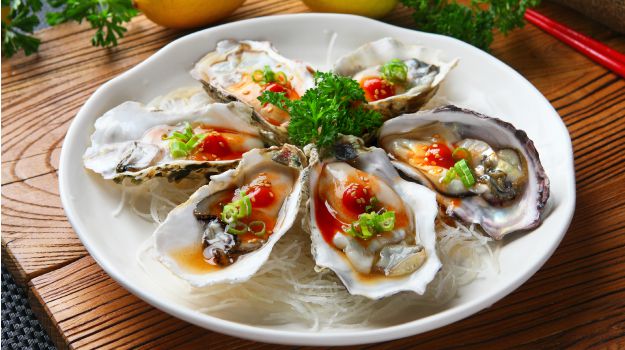
16. Oysters and other shellfish also provide the body with a potent dose of zinc and other minerals needed for balancing hormones.

17. Pumpkin Seeds which provide protein, healthy plant sterols, and minerals that improve hormone health. The next time you carve up a jack-o-lantern, save the seeds and roast them to create a delicious, healthy, all-natural snack.

18. Himalayan Pink Salt is a wonderful alternative to the copious amounts of table salt consumed by the average person at meal times. While you’ll still want to use iodized sodium chloride (your body needs iodine, too!) consider adding this amazing natural salt with its 84 different trace minerals to your hormone-healthy diet.
19. Apple Cider Vinegar is well-known for the many health benefits it provides. Among them is the ability to help the body naturally balance hormone production.

20. Sprouts, whether they be alfalfa, broccoli, kale or any other variety pack a massive punch when it comes to vitamins and minerals. Add them to salads, sandwiches, and wraps or eat them by themselves to help your body balance hormones.

21. Lentils and other beans contain iron and proteins necessary for peak hormone health.

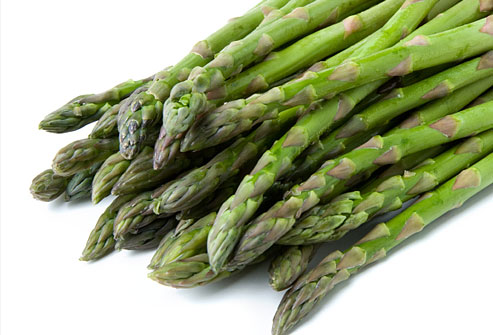
22. Asparagus is full of fiber and antioxidants which improve digestion, reduce free-radical damage to cells, and help the body to properly synthesize hormones.

23. Broccoli and other Brassicas (cabbage, Brussels sprouts, cauliflower, etc) also provide antioxidants.

24. Sweet Bell Peppers are a potent source of antioxidant vitamin C (the highest of any natural food!) as well as flavonoids which can help improve hormone health in addition to protecting the body from oxidative damage.

25. Tomatoes are another excellent source of hormone healthy flavonoids, as well as calcium – another mineral needed for proper digestion and hormone balance.

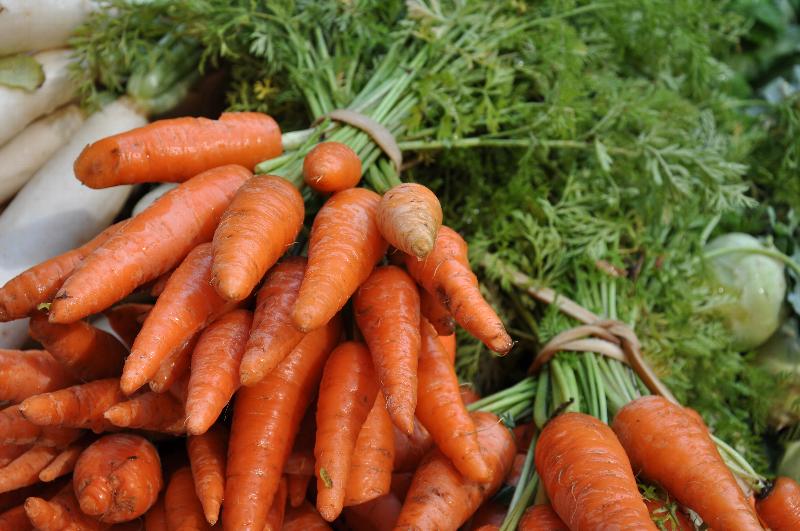
26. Carrots are high in antioxidants and minerals like potassium which are great for cellular regeneration, hormone balance, and overall health.

27. Sweet Potato and other colorful starchy root veggies also contain high concentrations of minerals like potassium, as well as antioxidants and carotenoids.

28. Brightly-Colored Squash varieties like butternut and spaghetti are also at the top of the list of veggies high in hormone-healthy vitamins and minerals.

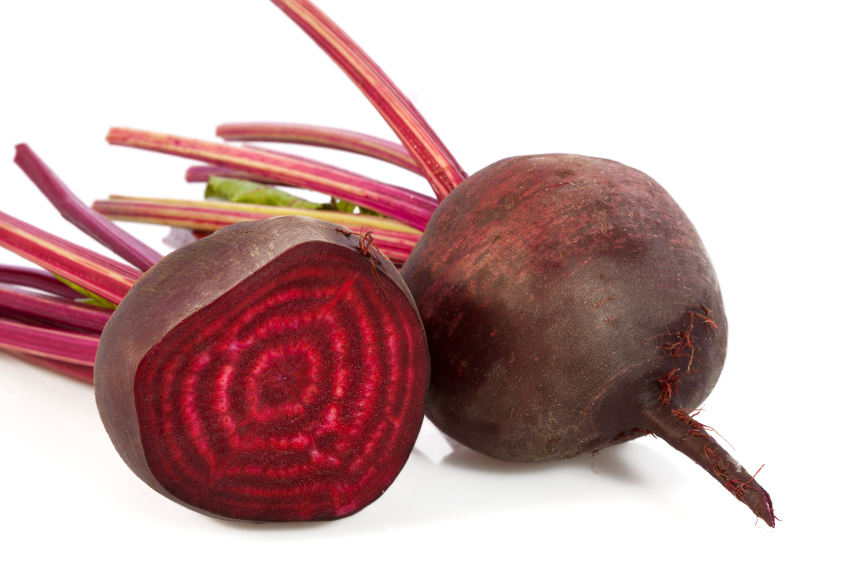
29. Beets are rich with flavonoids, fiber, vitamins and minerals which provide many health benefits like aiding in digestion and hormone balance.

30. Garlic is by far one of the world’s healthiest foods! In addition to being antioxidant and anti-inflammatory, garlic (and to a lesser extent onions, chives, scallions, shallots, etc) contain ultra-high concentrations of the organosulfur compound allicin which improve the body’s ability to metabolize iron, an important part of balancing hormones.